

Discover



























OMIXYS webinar: Exoplorer – the Nano Flow Cytometer for everyone
Thursday, April 16, 14:00 CET, Riccardo Pasculli, FAS, ACCELA s.r.o.
March 31, 2026


Standardized Thawing and Sample Preparation of ARCTis™ Cryopreserved Human Tumor Cells
The standardized and automatic handling of cryopreserved biological samples plays an increasingly important role in today’s in vitro testing. This is due to the trend to develop more complex disease models to increase the data quality of studies.
March 30, 2026

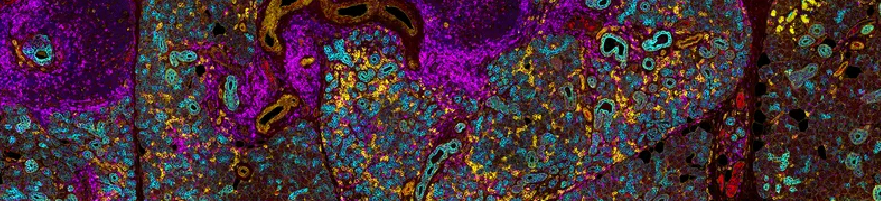
Molecular and Spatial Drivers of Immunotherapy Response in Mucosal Melanoma
Findings suggest that distinct genomic features, tumor states, and microenvironments differentiate ICB response and progression in MM, highlighting key tumor-intrinsic and microenvironmental factors associated with prognosis.
March 18, 2026


Whole genome analysis and in vivo safety assessment of probiotic candidate Lactobacillus acidophilus
Probiotics, particularly strains of lactic acid bacteria (LAB), are recognized for their beneficial effects on gut health. Lactobacillus acidophilus L177, a promising probiotic strain isolated from canine feces, was evaluated for safety and probiotic.
March 10, 2026

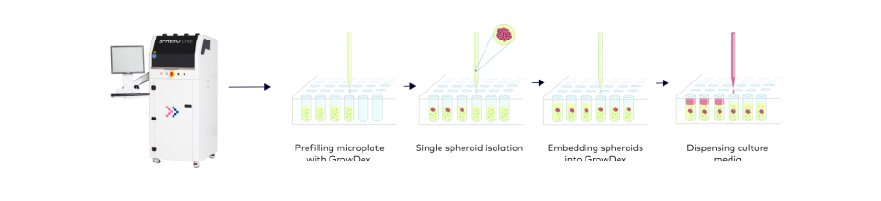
Combining GrowDex and spheroONE for automated and highly reproducible 3D cell culture workflows
This application note demonstrates the compatibility of spheroONE and GrowDex to automate 3D cell culture workflows. spheroONE is a nanoliter dispenser enabling sorting and isolation of spheroids and organoids.
February 25, 2026
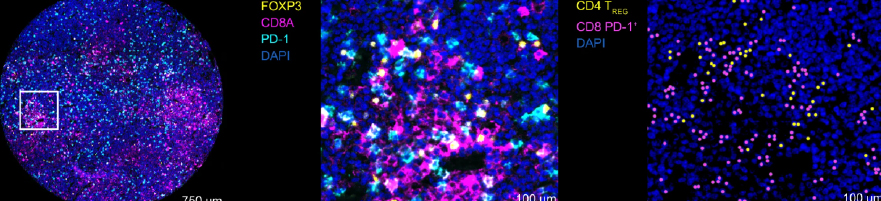
Integrative multi-omics reveals a regulatory and exhausted T-cell landscape in CLL
T-cell exhaustion contributes to immunotherapy failure in chronic lymphocytic leukemia (CLL). T cells from CLL patients' blood, bone marrow, and lymph nodes were analyzed using single-cell RNA sequencing, mass cytometry, and tissue imaging.
February 12, 2026

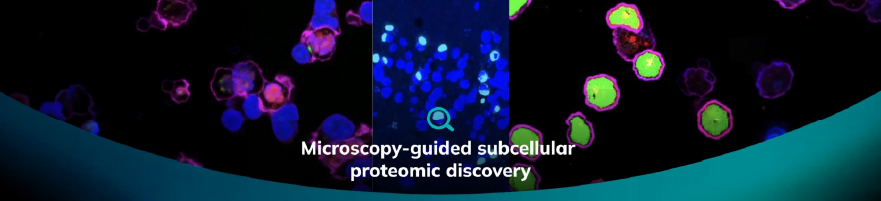
Microscopy-guided subcellular proteomic discovery by high-speed ultra-content photo-biotinylation
Syncell developed a method combining microscopy, photo-biotinylation, and mass spectrometry, enabling high-resolution mapping of proteins in subcellular regions, accelerating discoveries in spatial proteomics research.
March 23, 2026


Accelerating Antibody Discovery with the WOLF G2 Cell Sorter
Site-directed antibodies targeting driver mutations of the KRAS protein
March 16, 2026


Preclinical Evaluation of 223RaCL2 and Immune Checkpoint Inhibitors in Prostate Cancer Bone Mets
This study investigates the therapeutic and immunological effects of combining Radium-223 dichloride (Xofigo) with immune checkpoint inhibitors (ICIs) in a clinically relevant, immunocompetent murine model of prostate cancer bone metastasis.
March 9, 2026

Comparing Microscoop with Proximity Labeling Techniques APEX2 and BioID
Discover how Microscoop, APEX2, and BioID offer unique advantages for mapping protein-protein interactions—whether in fixed tissue or live cells. Learn which method fits your proteomics research best!
February 23, 2026

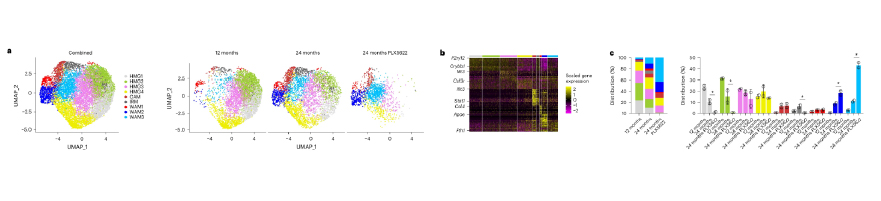
Use of Vizgen’s MERSCOPE Platform to Uncover New Insights about Aging
Microglia activation orchestrates CXCL10-mediated CD8+ T cell recruitment to promote aging-related white matter degeneration - peer-reviewed paper outlines aging-related changes in white matter by single-cell and spatial transcriptomics
February 11, 2026

Harnessing the Nanoflow cytometer Exoplorer to characterize surface proteins of Exozomes
miR-185-5p Derived From hUC-MSC Exosomes via Suspension Culture Under Hypoxic Conditions Promotes Scarless Wound Healing in Mice by Precisely Regulating Collagen I/III Regeneration
March 19, 2026


NEW: TIDeX – Total Ionizing Dose Instrument
The all-in-one X-ray platform designed to streamline Total Ionizing Dose (TID) effect testing with accuracy, control, and repeatability
March 12, 2026


Introducing IVM-FS: Real-Time Cellular Insightsinto Rats and Other Medium-Sized Animals
Rats are increasingly valued for intravital imaging due to their larger body size and organ systems, which enable more precise surgical preparation, stable window implantation, and repeated long-term imaging - advantages over mice.
March 3, 2026

Harnessing the WOLF Cell Sorter for Cutting‑Edge Senescence Research
Senescent Endothelial Cells in Cerebral Microcirculation Are Key Drivers of Age-Related Blood–Brain Barrier Disruption, Microvascular Rarefaction, and Neurovascular Coupling Impairment in Mice
February 18, 2026